What’s included in full car inspection Franklin TN

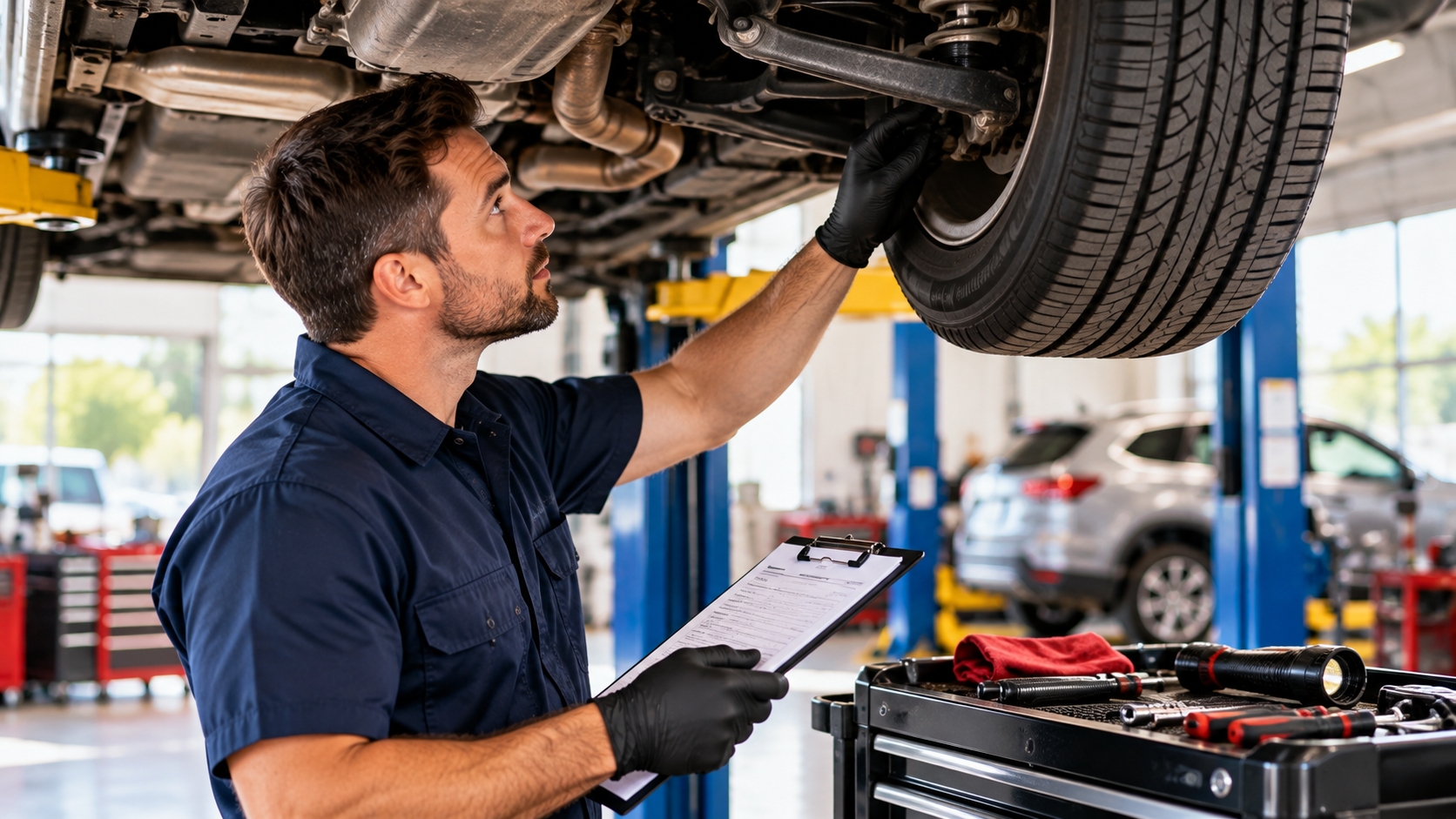
Keeping your vehicle in good condition requires more than regular oil changes. Your car contains dozens of important systems that work together to provide safe, reliable transportation. Over time, normal wear, changing weather conditions, and everyday driving can affect these components.
If you’re wondering what’s included in a full car inspection in Franklin, TN, understanding the process can help you make better maintenance decisions and avoid unexpected repairs.
At Auto Clinic of Franklin, we understand how important reliable transportation is for drivers throughout Franklin and Williamson County. A comprehensive vehicle inspection can help identify worn components, potential safety concerns, fluid leaks, and maintenance needs before they develop into larger problems.
Whether you’re preparing for a road trip, purchasing a used vehicle, or simply staying ahead of maintenance, a professional car inspection provides valuable information about your vehicle’s condition.
What Is a Full Car Inspection?
A full car inspection is a detailed evaluation of your vehicle’s major mechanical, electrical, and safety systems.
Unlike a basic visual check, a comprehensive inspection examines multiple areas to identify existing problems and potential maintenance concerns.
Depending on the vehicle and the inspection package, technicians may evaluate:
- Engine condition
- Brake system
- Tires and wheels
- Suspension and steering
- Battery and charging system
- Cooling system
- Fluid levels and condition
- Belts and hoses
- Exhaust system
- Lights and electrical components
- Heating and air conditioning
- Windshield wipers and visibility
The exact inspection checklist varies by repair shop, vehicle type, and requested service. Therefore, it’s helpful to confirm what is included before scheduling your appointment.
1. Engine Inspection and Performance Evaluation
Your engine is one of the most expensive and important components in your vehicle.
During a full car inspection, a technician may check for visible leaks, unusual noises, worn components, and signs of poor engine performance.
Common inspection points include:
- Engine oil level and condition
- Visible oil leaks
- Engine belts
- Accessible hoses
- Unusual engine noises
- Warning lights
- General engine operation
If your engine is shaking, hesitating, overheating, or running rough, additional diagnostic testing may be recommended.
An inspection can identify visible concerns, but diagnosing an internal engine problem may require specialized testing.
2. Brake System Inspection
Your brakes are essential for vehicle safety.
A comprehensive inspection should include an evaluation of accessible braking components to identify excessive wear or damage.
Depending on the service, technicians may inspect:
- Brake pad thickness
- Brake rotor condition
- Brake calipers
- Brake hoses and lines
- Brake fluid level
- Visible fluid leaks
- Parking brake operation
Why Brake Inspections Matter
Brake pads naturally wear down with use. However, driving habits, traffic conditions, and component problems can cause uneven wear.
If worn brake pads are ignored, they may damage the rotors and increase repair costs.
Warning signs include squeaking, grinding, vibration while braking, and longer stopping distances.
If you’re experiencing these symptoms, don’t wait for your next routine inspection.
3. Tire and Wheel Inspection
Your tires are the only parts of your vehicle that maintain direct contact with the road.
A tire inspection helps identify conditions that could affect handling, braking, and tire lifespan.
Technicians may check:
- Tire pressure
- Tread depth
- Uneven wear patterns
- Sidewall damage
- Visible punctures
- Tire age and general condition
- Wheel damage
Uneven Tire Wear Can Reveal Other Problems
If one tire wears faster than the others, the issue may involve alignment, suspension components, tire inflation, or driving conditions.
Identifying the cause early can help prevent premature tire replacement.
For drivers navigating Franklin’s highways, neighborhood streets, and daily commuting routes, maintaining proper tire condition is especially important.
4. Suspension and Steering System Inspection
Your suspension system helps absorb road impacts, while the steering system allows you to maintain control of your vehicle.
Worn components can affect handling, ride comfort, and tire wear.
A full car inspection may include checking:
- Shocks and struts
- Ball joints
- Tie rods
- Control arms
- Suspension bushings
- Sway bar links
- Steering components
Signs of Suspension Problems
Common symptoms include:
- Clunking over bumps
- Excessive bouncing
- Uneven tire wear
- Loose steering
- Vehicle pulling to one side
- Vibration while driving
If these symptoms are present, a more detailed suspension or steering evaluation may be necessary.
5. Battery and Charging System Inspection
A weak battery can leave you stranded without warning.
During a vehicle inspection, technicians may examine the battery, cables, and charging system.
Possible checks include:
- Battery condition
- Terminal corrosion
- Battery cable connections
- Battery voltage
- Charging system performance
Battery testing can help identify declining performance before a complete failure occurs.
However, not every inspection automatically includes a full alternator or starter test. Ask whether these services are included if you’ve experienced starting problems.
6. Cooling System Inspection
Your vehicle’s cooling system prevents the engine from overheating.
Problems involving coolant leaks, hoses, the radiator, or other components can lead to serious engine damage if ignored.
A cooling system inspection may include:
- Coolant level
- Coolant condition
- Radiator condition
- Visible coolant leaks
- Radiator hoses
- Accessible connections
- Cooling fan operation
If your vehicle has been overheating or losing coolant, additional pressure testing may be needed to locate the problem.
Never remove a radiator cap while the engine is hot.
7. Fluid Levels and Condition
Your vehicle depends on several fluids to lubricate components, manage temperatures, and support important mechanical systems.
During a full inspection, technicians may evaluate accessible fluid reservoirs and check for signs of leaks.
Common fluids include:
- Engine oil
- Coolant
- Brake fluid
- Transmission fluid
- Power steering fluid, where applicable
- Windshield washer fluid
Some modern vehicles have sealed systems or manufacturer-specific procedures for checking certain fluids.
A fluid inspection can help identify low levels, contamination, or maintenance needs.
However, low fluid levels may indicate a leak that requires further investigation.
8. Belts and Hoses
Belts and hoses can deteriorate as your vehicle ages.
Heat, vibration, and normal wear may cause cracking, leaks, or other damage.
A technician may inspect accessible components for:
- Cracks
- Fraying
- Fluid leaks
- Deterioration
- Loose connections
- Visible wear
A failing serpentine belt can affect important systems such as the alternator, water pump on some vehicles, or other engine accessories.
Addressing belt and hose problems before failure can reduce the risk of an unexpected breakdown.
9. Exhaust System Inspection
Your exhaust system helps direct engine exhaust gases away from the vehicle and supports emissions control.
An inspection may include checking accessible exhaust components for:
- Rust
- Leaks
- Loose connections
- Damaged hangers
- Unusual exhaust noises
- Visible component damage
A leaking exhaust system can create noise and potentially allow harmful gases to enter the passenger compartment.
If you smell exhaust inside your vehicle, have the problem evaluated promptly.
10. Lights, Wipers, and Visibility
A full car inspection should also consider the components that help you see and remain visible to other drivers.
Technicians may check:
- Headlights
- Brake lights
- Turn signals
- Reverse lights
- Windshield wipers
- Washer operation
- Windshield condition
- Mirrors
These items may seem minor compared with engine or transmission repairs, but they play an important role in everyday driving safety.
11. Heating and Air Conditioning System
Your vehicle’s heating and air conditioning systems contribute to comfort and visibility.
For example, the defroster helps remove condensation from the windshield.
An inspection may include a basic operational check of:
- Heater
- Air conditioning
- Blower fan
- Defroster
- Vent airflow
If your AC isn’t blowing cold air or your heater isn’t working correctly, additional diagnostic testing may be required.
12. Computer System and Warning Light Checks
Modern vehicles use electronic control modules to monitor engine performance, emissions systems, transmission operation, and other functions.
A technician may review dashboard warning lights and perform a computer scan when included in the inspection.
However, a full diagnostic scan is not automatically part of every inspection package.
If your check engine light, ABS light, or another warning light is illuminated, ask whether diagnostic testing is included or billed separately.
How Long Does a Full Car Inspection Take?
Inspection time depends on the vehicle, inspection checklist, and whether additional testing is necessary.
A basic multi-point inspection may take approximately 30–60 minutes.
A more comprehensive evaluation may require one to two hours or longer, especially when road testing, wheel removal, or additional checks are involved.
These are general estimates rather than guaranteed appointment times.
Contact Auto Clinic of Franklin to discuss your vehicle and the type of inspection you need.
How Much Does a Full Car Inspection Cost in Franklin, TN?
Inspection pricing varies depending on the depth of the evaluation.
Some repair shops include basic multi-point inspections with routine maintenance services, while more detailed inspections are billed separately.
A comprehensive pre-purchase inspection may also cost more because it can involve additional testing and a more extensive review.
Before scheduling, ask:
- What systems are inspected?
- Is a road test included?
- Are the wheels removed for brake inspection?
- Is computer scanning included?
- Will I receive an inspection report?
- Are additional diagnostic tests billed separately?
Understanding what’s included helps you compare services and avoid surprises.
When Should You Schedule a Full Car Inspection?
A comprehensive vehicle inspection can be especially useful in several situations.
Before a Long Road Trip
If you’re planning a vacation or a long drive, an inspection can help identify maintenance concerns before departure.
Before Purchasing a Used Vehicle
A pre-purchase inspection can reveal potential mechanical problems that may not be obvious during a test drive.
Before Seasonal Weather Changes
Temperature changes can affect battery performance, tire pressure, and other vehicle systems.
When Your Vehicle Reaches Higher Mileage
As your vehicle accumulates miles, components such as suspension parts, belts, hoses, and seals may require closer attention.
When You Notice Unusual Symptoms
New noises, vibrations, leaks, warning lights, or changes in performance are good reasons to schedule an inspection.
Is a Full Car Inspection the Same as a Tennessee State Inspection?
No. A comprehensive vehicle inspection at an auto repair shop is generally a maintenance and condition assessment.
Tennessee does not currently require routine annual safety inspections for most passenger vehicles. A voluntary inspection helps you understand your vehicle’s mechanical condition rather than fulfill an annual state inspection requirement.
Why Choose Auto Clinic of Franklin for Vehicle Inspections?
When you’re searching for a full car inspection in Franklin, TN, choosing a repair shop that communicates clearly is important.
At Auto Clinic of Franklin, we understand that drivers want to know what condition their vehicles are in and which maintenance items deserve attention.
A professional inspection can help you:
- Understand your vehicle’s condition
- Identify potential safety concerns
- Plan future maintenance
- Address developing problems
- Make informed repair decisions
- Maintain long-term vehicle reliability
We serve drivers throughout Franklin, Cool Springs, Brentwood, Spring Hill, Thompson’s Station, and surrounding Middle Tennessee communities.
Whether you drive a family SUV, daily commuter, pickup truck, or high-mileage vehicle, regular inspections can be an important part of responsible vehicle ownership.
Frequently Asked Questions About Full Car Inspections
Does a Full Car Inspection Include an Oil Change?
Not necessarily. An inspection may include checking engine oil level and condition, but an oil change is usually a separate maintenance service unless specifically included in a package.
Will a Full Inspection Find Every Vehicle Problem?
No inspection can guarantee that every hidden or intermittent problem will be discovered. However, a comprehensive evaluation can identify many visible and testable concerns.
Is a Full Car Inspection Worth It?
For many drivers, yes. An inspection can help identify maintenance needs early and provide valuable information before a major trip, used-car purchase, or repair decision.
Should I Get a Car Inspection Even Without Warning Lights?
Yes. Some mechanical problems develop before warning lights appear. Regular inspections can help identify wear, leaks, and other concerns that may not trigger dashboard alerts.
Schedule Your Full Car Inspection in Franklin, TN
Now that you know what’s included in a full car inspection in Franklin, TN, it’s easier to understand why regular vehicle evaluations are important.
From brakes and tires to engine components, suspension, fluids, and electrical systems, a comprehensive inspection can provide valuable insight into your vehicle’s condition.
At Auto Clinic of Franklin, we’re here to help local drivers stay informed about their vehicles and address maintenance concerns before they become bigger problems.
Visit https://autoclinicoffranklin.com/ to learn more about our automotive services.
Fill out the form below to request your full car inspection with Auto Clinic of Franklin. Let our team help you understand your vehicle’s condition and keep it ready for the road.